
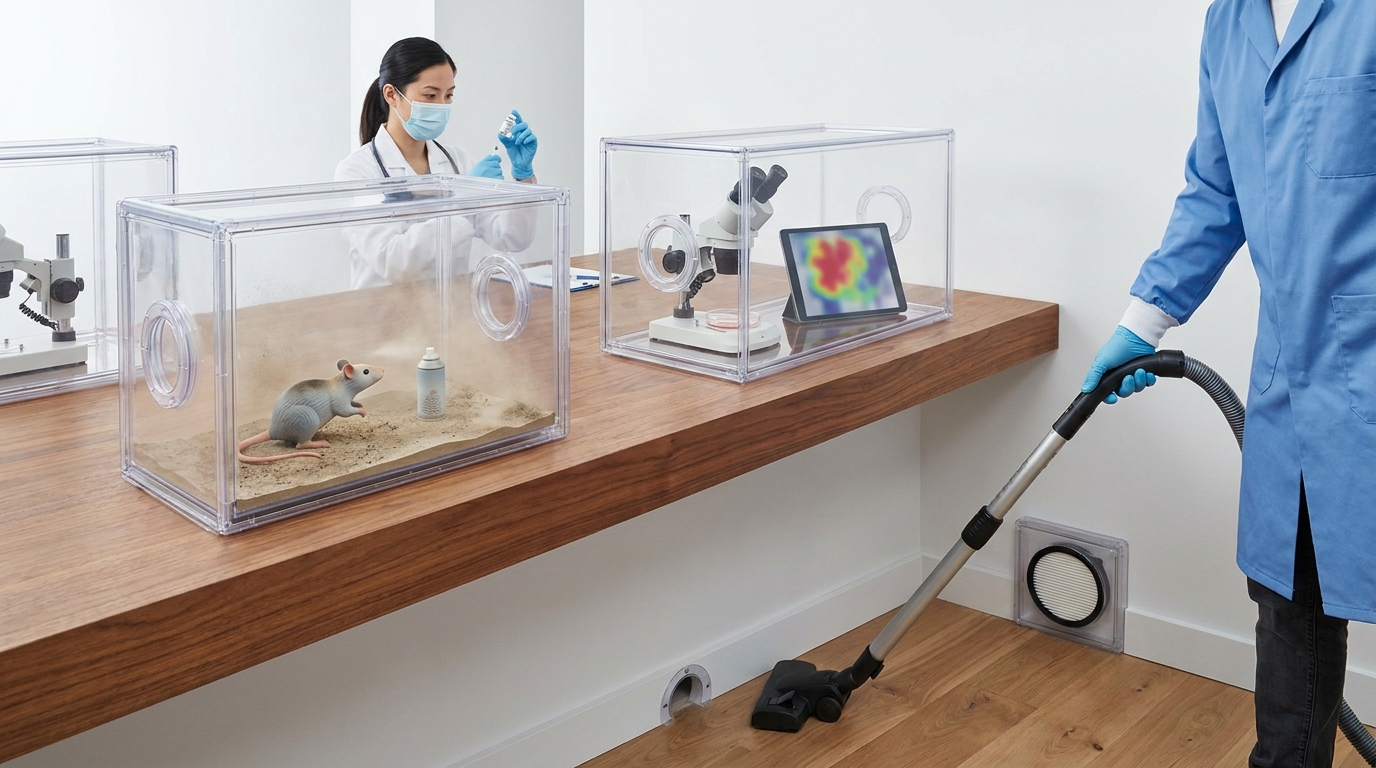
Hantavirus and Rats: Health Risks and Prevention in 2026
Contents
People talk a lot about rats because of the damage they cause in attics or to electrical cables. But there’s a risk that almost no one mentions, even though it’s very real: the diseases they carry. Hantavirus is one of them. A virus you can’t see or hear, yet one that can make you seriously ill.
Things to remember
-
This article analyzes the 2026 news to provide a scientific explanation of how rats transmit the hantavirus
-
We turn complex data into practical prevention tips, with a focus on home safety
-
How do rats spread the virus?
-
Recognizing the symptoms and severity of the infection in humans
The thing is, you can catch this virus without even touching a rodent. Just by breathing in contaminated air in a dusty basement or a room that’s been closed up all winter. That’s exactly what makes the rat hantavirus so insidious, and what’s worrying health authorities in 2026, with rodent populations on the rise in several European urban areas.
At Pest Patrol, we regularly see people cleaning out rat nests with their bare hands, without masks, sweeping up the droppings as if they were ordinary dust. Big mistake. In this article, we explain how the virus spreads, how to recognize the signs of an infection, and, most importantly, how to protect yourself without panicking.
Transmission mechanisms: How do rats spread the virus?
The first question everyone asks is: Can you really catch the hantavirus from rats? Yes. Rats are the natural reservoir for the virus. They carry it without getting sick themselves, and they spread it wherever they go. Rats are therefore classic rodent vectors, just like certain wild mice.
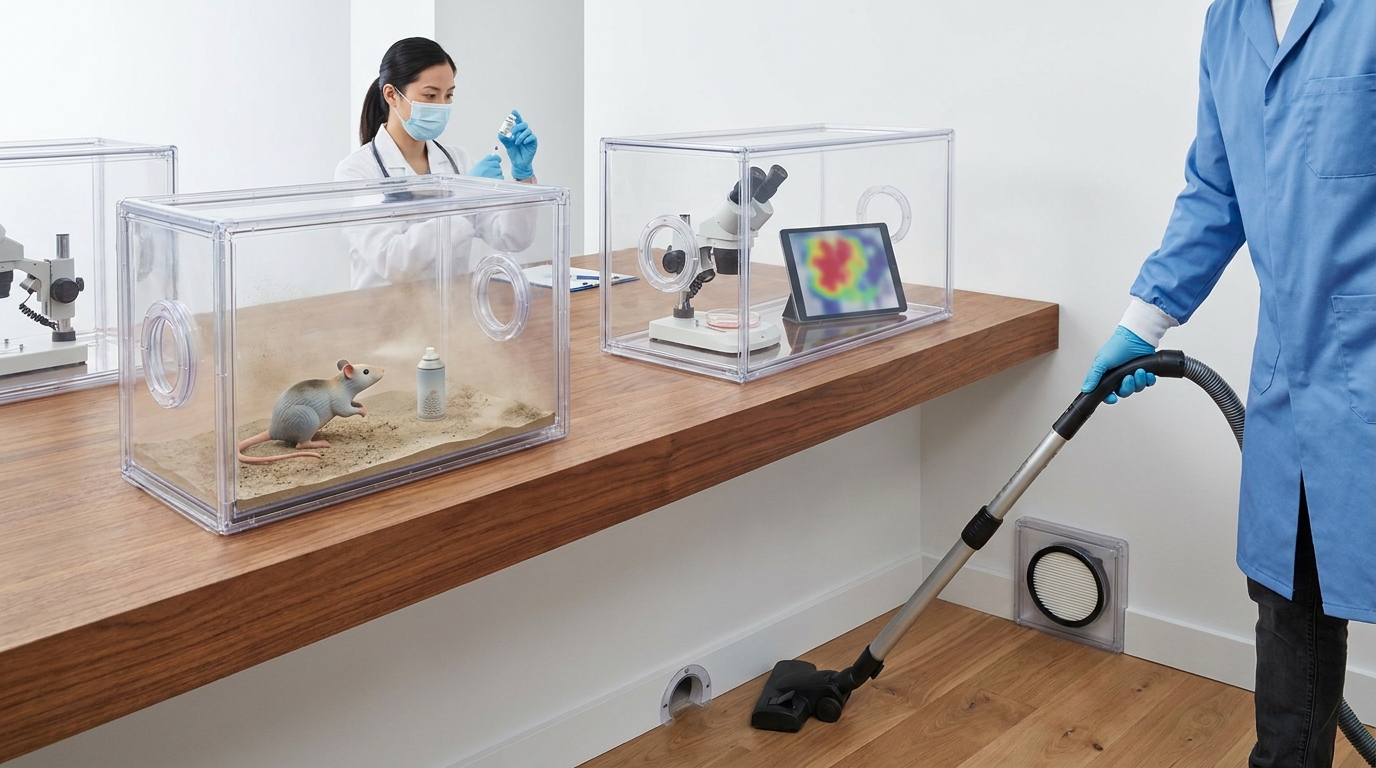
Here’s how it works in practice. The virus is present in the animal’s bodily fluids: its saliva, urine, and especially its feces. When the rodent moves around your basement, attic, or behind your cabinets, it spreads these contaminated particles everywhere. At first, the risk remains limited as long as everything is fresh and damp. The problem begins when it dries out.
As they dry, rat droppings and urine turn into fine dust. All it takes is a sweep of the broom, a draft, or moving a cardboard box for these particles to become airborne. You breathe them in without even noticing. This is called aerosol transmission, and it is the most common route of infection in humans. No bite is needed, no direct contact is required. The air is enough.
There are other, less common routes of transmission. Rubbing your eyes or mouth after touching a contaminated surface. Eating food contaminated with mouse or rat droppings. And in some cases, a bite from an infected rodent. But let’s be clear: the vast majority of human infections result from inhaling contaminated dust in enclosed, poorly ventilated spaces.
What makes hantavirus transmission particularly tricky is the time lag. You might clear out an attic that was infested six months ago, but the virus present in the old droppings remains active for several days—sometimes longer, depending on humidity and temperature. The U.S. Centers for Disease Control emphasizes this: closed, poorly ventilated spaces where rodents have lived are the highest-risk areas. A garden shed, a garage, a basement. That’s often where it all comes down to. And that’s precisely why how you clean makes all the difference.
Recognizing the symptoms and severity of the infection in humans
How many people survive hantavirus? The honest answer: it depends heavily on how quickly it’s diagnosed. And that’s where things get complicated, because the early symptoms of hantavirus resemble those of the common flu. No one thinks of the virus right away.
The first symptoms usually appear between one and eight weeks after exposure. Fever, severe muscle aches (especially in the thighs, back, and shoulders), overwhelming fatigue, and headaches. Sometimes nausea, vomiting, and stomach pain. Nothing specific. Many people assume they have a bad cold and wait for it to go away.
The danger lies in the next phase. Four to ten days after these initial symptoms, the patient’s condition can take a sudden turn for the worse. This marks the onset of what doctors call hantavirus pulmonary syndrome. The lungs fill with fluid, breathing becomes difficult, and oxygen levels drop. At this stage, hospitalization in intensive care becomes critical. It is a public health emergency, and without prompt treatment, the prognosis deteriorates rapidly.
The mortality rate for hantavirus pulmonary syndrome is high, ranging from 36% to 381% according to North American data published in medical journals. It is a figure that gives pause for thought. But it needs to be qualified: this rate applies mainly to certain strains found on the American continent. In Europe, circulating hantaviruses more often cause another form of the disease, affecting the kidneys, which is generally less lethal. That doesn’t mean we should take it lightly, though.
Is there a treatment? No, there is currently no specific treatment or vaccine available. Treatment focuses on supporting the body: respiratory support, oxygen therapy, and constant monitoring. The sooner treatment begins, the better the chances of recovery. That’s why it’s important to tell your doctor if you’ve been in contact with rodents or recently cleaned an infested area. This simple information can guide the diagnosis and save your life. Health risks from rodents aren’t limited to hantavirus, but it’s one of the most serious when it comes to respiratory diseases linked to these animals.
Prevention Guide: Cleaning Protocols and Rodent Control
Good news: with the right steps, the risk is minimal. Rodent prevention rests on two simple pillars: don’t let them in, and clean up properly if they’ve already been there. Let’s start with cleaning, because that’s where people make the most mistakes.
The golden rule: Never sweep up or vacuum up dry rodent droppings. That’s exactly what spreads viral particles into the air. If you find mouse droppings or rat droppings, here’s how to clean them up safely:
-
Air out the room for at least 30 minutes before entering, with the windows and doors open, then step outside while the air circulates.
-
Be sure to wear protective gear: rubber or latex gloves, and an FFP2 or FFP3 mask to filter out fine particles.
-
Spray a generous amount of disinfectant or a diluted bleach solution (approximately one part bleach to nine parts water) onto the feces and surfaces.
-
Let it sit for at least five minutes. The disinfectant must soak into the material before any contact is made.
-
Pick it up with paper towels or kitchen towels, then put everything in a tightly sealed plastic bag.
-
Clean the surfaces again with your disinfectant, then wash your hands thoroughly.
For nests, soiled insulation materials, or dead animals, follow the same procedure: dampen, wrap, and dispose of. Never handle them dry, and never with bare hands. These steps also apply to rat urine that has soaked into wood or cardboard.
The most effective approach is still to prevent rodents from getting in in the first place. Inspect your home. Rats can squeeze through holes less than two centimeters wide, and mice through cracks as small as a pencil. Seal openings around pipes, cables, and vents with steel wool or mortar. Don’t leave food lying around, keep your trash cans tightly closed, and store pet food in airtight containers. A tidy, dry attic or basement is far less attractive to rodents than a cluttered space.
If the infestation is well-established, or if you discover a large colony, don’t try to handle it on your own. Cleaning a heavily contaminated area requires specialized equipment and a strict protocol. This is typically the time to call in the professionals. At Pest Patrol, we handle these situations by securing the area, eliminating the rodents, and disinfecting according to standard procedures, so you don’t have to breathe in anything you shouldn’t.
Conclusion
The hantavirus is neither an urban legend nor a reason to panic at every mouse droppings. It is a real risk, transmitted mainly through the air in enclosed spaces where rodents have left their traces. The key message can be summed up in a few words: ventilate, humidify, protect yourself, and never sweep up dry. And if you have even the slightest doubt after exposure, talk to your doctor right away.
The best protection is still to keep rats from getting into your home. If it’s already too late, don’t take any unnecessary risks with your health. Contact Pest Patrol for a clean, safe, and effective solution. Your home will be a healthy place again, and you’ll be able to breathe easy.
Frequently asked questions
How do humans contract the hantavirus from rats?
Contamination occurs primarily through inhalation of contaminated dust (aerosolization) when dry rodent urine or feces are disturbed (by sweeping or moving objects). Direct contact with a rat or a bite remains a much rarer route of transmission.
What are the early symptoms of a hantavirus infection?
The initial symptoms resemble those of severe flu: high fever, extreme fatigue, headaches, and muscle aches (back, thighs, shoulders). If the disease progresses to a pulmonary or renal form a few days later, immediate admission to the intensive care unit becomes critical.
How can I safely clean up rat droppings?
Never sweep or vacuum without water to avoid spreading the virus into the air. Wear an FFP2 mask and gloves, ventilate the room for 30 minutes, then spray disinfectant or diluted bleach on the feces to moisten them before picking them up with paper towels.
What is the mortality rate for hantavirus?
The mortality rate can reach 36 to 38% for the pulmonary syndrome associated with certain strains (particularly those from the United States). In Europe, circulating strains more often affect the kidneys and are generally less lethal, but the lack of a vaccine or specific treatment requires prompt medical care.
When should you call Pest Patrol for rodent control?
As soon as you notice signs of an infestation (noises, gnaw marks, repeated droppings) or if you need to clean a heavily infested area (basement, attic). Pest Patrol’s experts eliminate rodents, secure entry points, and follow a strict disinfection protocol to protect your health.
 Français de Belgique
  English
  Nederlands (België)